Match The Investigation To The Project
A refurbishment or demolition survey looks for asbestos-containing materials within the fabric affected by proposed works. It involves intrusive inspection and is different from the management survey used for everyday occupation. The scope must follow the actual project, rather than a generic list of rooms.
For example, an office refit may affect partitions, floor finishes, ceiling voids and service routes beyond the visible work area. A plant replacement may disturb insulation and concealed boxing even if most of the building stays untouched. The surveyor needs the specification before deciding how to investigate.
Refurbishment And Demolition Need Different Boundaries
A refurbishment survey can be limited to the part of the building affected by a defined project. The written scope should explain which elements will be opened, retained or altered. If the design changes later, the survey coverage needs checking again before additional work starts.
A demolition survey normally needs to address the structure proposed for demolition and the relevant associated equipment. Concealed spaces and construction interfaces matter because asbestos may be hidden behind finishes or within built-up elements. Earlier records help plan the inspection but cannot automatically replace it.
Do not ask a contractor to infer the survey boundary from a short report title. Marked drawings, a schedule of work and clear descriptions make the boundary usable. Where neighbouring units stay occupied, agree the separation between the intrusive investigation and those continuing activities.
Planning Access And Vacant Areas
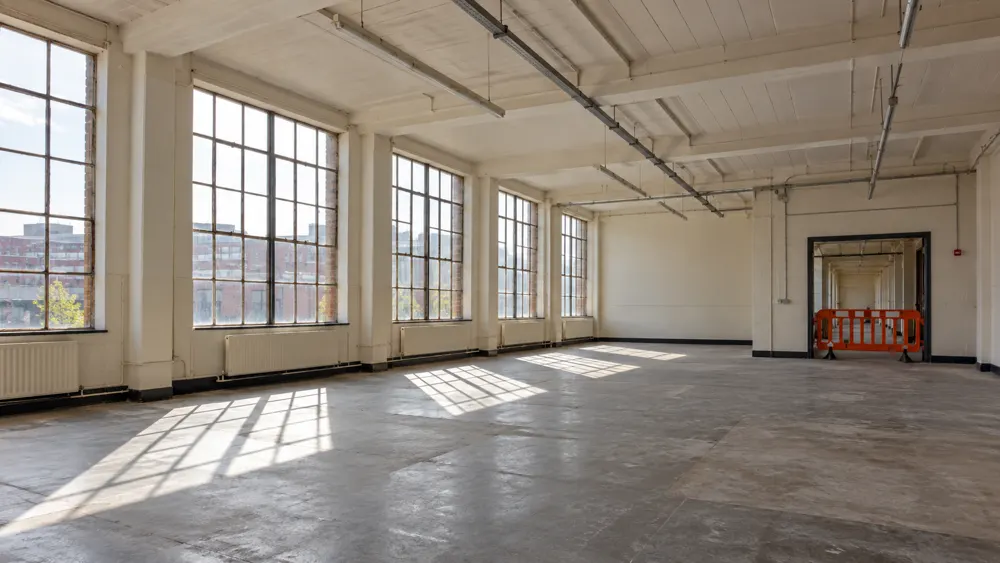
HSE guidance explains that the area being surveyed must be vacated because intrusive inspection can disturb asbestos. This is a practical planning issue for schools, offices and industrial sites. Discuss decanting, security and access windows before booking the investigation.
Some locations may need plant isolation, electrical isolation, opening-up support or access equipment. Identify who will provide these arrangements and who can authorise them. If the surveyor cannot safely reach an area, the limitation must remain visible and be resolved before relevant works proceed.
The brief should also address reinstatement expectations. Intrusive investigation can damage finishes, so the client and surveyor need to agree what is left safe, what is temporarily protected and what repair work remains. Do not assume the space can return to normal use as soon as attendance ends.
The Survey Sequence
First, we review the proposed work package, available drawings and earlier asbestos information. We identify the buildings, floors, equipment and construction elements within scope. Any uncertainty in the design should be raised before the inspection is planned.
Next, access and isolation requirements are agreed with the responsible site contact. The competent surveyor then investigates the agreed area, records suspect materials and obtains samples where appropriate. The report must identify findings and limitations against locations that the project team can recognise.
Finally, the results are reviewed against the planned work. Identified materials may need removal or another suitable action before contractors can proceed. The surveyed area needs confirmation as fit for reoccupation after the investigation, with any conditions clearly communicated.
Regulations And Project Information
The Control of Asbestos Regulations 2012 require asbestos to be identified before work liable to disturb it. HSE publication HSG264 explains the role and scope of refurbishment and demolition surveys. The report should give the project team information they can use to plan the work safely.
For commercial construction projects, asbestos findings belong in the pre-construction information shared with designers and contractors. The Construction (Design and Management) Regulations 2015 provide the wider framework for coordinating health and safety. A survey does not remove the need for competent project planning.
Keep the report available to the people doing the intrusive work. If they find unexpected suspect material, work should stop in that area while it is assessed. Survey limits, changes to scope and any subsequent removal records should remain linked to the current project information.
What Affects Survey Cost?
Refurbishment survey cost depends on how much of the structure needs investigation and how accessible it is. The complexity of the construction, sample requirements, vacant working windows and need for opening-up support all affect the proposal. Multiple phases can require separate attendance and reporting arrangements.
Send the drawings and work schedule with your enquiry, even if the project is still being developed. Flag any live services, security restrictions and occupied neighbouring areas. A well-defined scope helps you compare quotations and reduces the risk of commissioning an investigation that misses the eventual work.
Your Questions Answered
Is A Management Survey Enough For Refurbishment?
A management survey is usually not enough for refurbishment that opens the building fabric because it has a different purpose and level of intrusion. Check the proposed work against the survey scope and exclusions. An appropriately scoped refurbishment survey should investigate the materials the project will disturb before contractors start those activities.
Can The Building Stay Occupied During A Refurbishment Survey?
A refurbishment survey requires the area being investigated to be vacated because the inspection is intrusive and may disturb asbestos. Other parts of the building may remain in use only where suitable separation and arrangements are agreed. Discuss decanting, access, services and reoccupation with the surveyor before setting the attendance date.
Further guidance: HSE: Refurbishment Survey Scope · HSE: Construction Planning.