Start With The Material And The Work
Asbestos removal is a planned operation to take identified asbestos-containing materials out of a building or site under controlled conditions. For commercial premises, that can involve redundant service insulation, ceiling panels, floor finishes or cement products. The material type alone does not define the whole job because condition, access and the proposed method also affect risk.
Begin with a relevant survey and laboratory identification where needed. A quotation based only on a photograph may miss concealed material, contamination or restricted working space. If your project has no suitable survey, our asbestos survey service is the starting point.
When Removal Is The Right Option
Asbestos does not automatically need removing just because it is present. Intact material that is unlikely to be disturbed may be managed in place, with suitable controls and monitoring. A competent assessment should compare that option with repair, encapsulation or removal.
Removal may be appropriate where material is damaged, cannot be protected from disturbance or lies in the path of planned alterations. For an office refurbishment, the contractor needs enough detail to identify exactly which walls, ceilings and service routes are affected. A defined scope prevents unnecessary disturbance of materials outside the work area.
For factory or warehouse projects, explain production arrangements and whether adjacent spaces must remain in use. Access routes for personnel, equipment and sealed waste need planning alongside the removal method. Do not assume that normal site access arrangements will suit a controlled asbestos work area.
Licensed And Non-Licensed Work
The Control of Asbestos Regulations 2012 govern asbestos work. HSE explains that higher-risk activities require a licensed contractor, with the decision based on the risk assessment and legal criteria. Some lower-risk activities may be non-licensed or notifiable non-licensed work, but they still require appropriate competence and controls.
Do not select a contractor purely because someone describes a product as low risk. The condition of the material and how the work will be carried out can change the category. Ask the appointed contractor to explain the classification and check a current HSE licence when the work requires one.
Any required notification and programme implications must be considered before agreeing a start date. A project deadline does not remove the legal requirements. Discuss the actual work sequence early so the principal contractor can build asbestos work into the wider programme.
The Removal Process
The first stage is to review the survey, confirm the boundary and prepare a suitable risk assessment and plan of work. This should address access, services, neighbouring activities, emergency arrangements and the method for controlling fibre release. Relevant information must reach everyone coordinating the site.
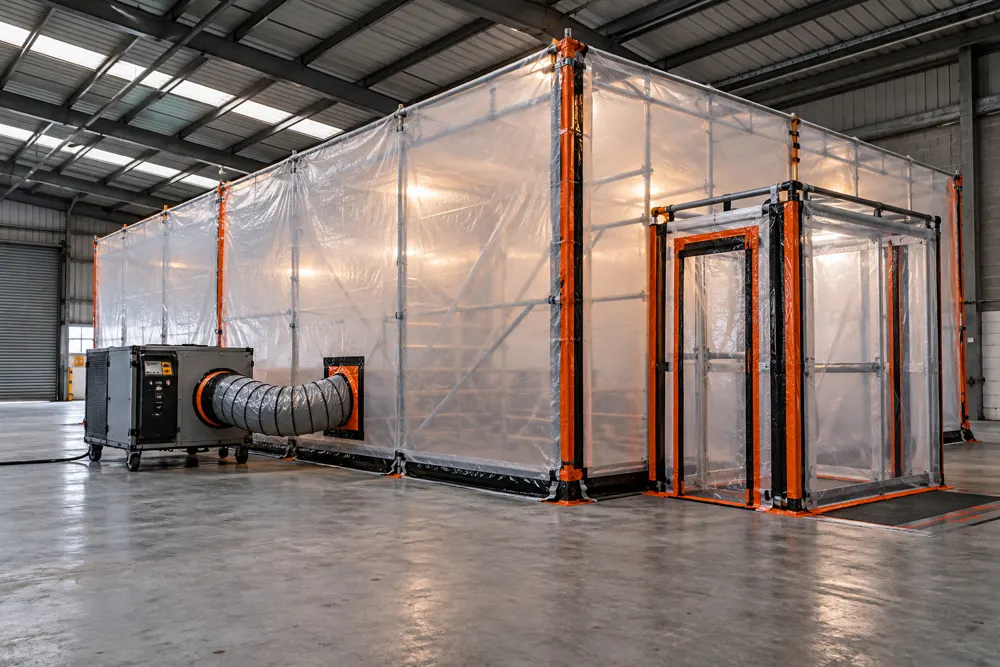
The next stage is establishing the controls required for that job. Depending on the assessment, these may include segregation, enclosure, extraction, decontamination facilities and carefully planned waste handling. Building staff should not enter the work area or move equipment while controls are in place.
Removal and cleaning follow the agreed method. The work area then needs the appropriate inspection and handover checks before restrictions are lifted. Where four-stage clearance is required, appoint a competent independent analyst and agree the arrangements before the removal programme is fixed.
Waste And Handover Records
Waste handling is part of removal planning, not a separate task to improvise afterwards. Asbestos waste needs suitable containment, controlled storage and an authorised route to a receiving facility. In Scotland, special waste paperwork must follow the applicable SEPA requirements.
At handover, ask for the documents relevant to the scope, including the work record, waste consignment information and clearance documentation where applicable. Keep these with the building's asbestos records. Update the register to show what was removed and what remains.
A partial removal does not mean an entire building is asbestos free. Remaining materials, inaccessible locations and any limits to the work must stay visible to future contractors. Our management plan service can help structure the information needed after the project.
What Affects Removal Cost?
Removal costs depend on the material, quantity, condition, access and level of control needed. Enclosures, service isolations, work at height, analyst attendance and waste logistics can all change the specification. Business continuity requirements may also affect how the work is phased.
Send the relevant survey pages, photographs taken without disturbing material and the proposed work programme with your enquiry. A useful quotation identifies what is included, what is excluded and what must be provided by the client. Compare like-for-like scopes rather than a single headline figure.
Your Questions Answered
Must All Asbestos Be Removed?
Asbestos removal is not always necessary when material is in good condition and can remain undisturbed under effective management. Removal becomes more relevant when material is damaged or conflicts with planned works. A competent assessment should consider the condition, likelihood of disturbance and practical alternatives before a dutyholder agrees the right course of action.
Does Asbestos Removal Always Need A Licensed Contractor?
Asbestos removal needs a licensed contractor when the work meets the licensing criteria under the Control of Asbestos Regulations 2012. Some lower-risk work falls into other categories, but still needs competent people and suitable controls. Ask how the job has been classified and verify the contractor’s licence if the proposed activity requires one.
Further guidance: HSE: Licensable Asbestos Work · HSE: Asbestos Essentials.